
An independent public resource on environmental noise pollution, including its sources, health impacts, history, and solutions.
Home / Noise Sources / Boom Cars
Boom Cars
Boom cars are vehicles outfitted with audio systems that produce extremely high sound pressure levels (SPL). Their pounding low-frequency output can be heard and felt over long distances, rattling windows and penetrating walls.
Aftermarket sound systems were originally marketed as upgrades for improved audio quality and convenience. Today, much of the industry promotes extreme volume levels and behavior that disregards community impact.
Manufacturers often target young men with disposable income, suggesting that “booming” will enhance social status or make them more appealing to peers.
Boom cars have also fueled a competitive subculture. Sound pressure level (SPL) contests—also known as dB drag racing—take place nationwide. Participants routinely spend thousands of dollars on equipment, which often fails under the strain of competition. Manufacturers and installers use these events to promote their brands and increase sales.
According to the National Highway Traffic Safety Administration (NHTSA), driver distraction contributes to roughly 25 percent of vehicle accidents.
Pioneer Electronics “Disturb”
Pioneer Electronics marketing video titled, “Disturb”. A young man boasts about spending half of his inheritance money to purchase car audio equipment costing $30,000. Another brags that his boom car sets off car alarms and once caused a little boy to cry in the middle of the street.
Industry
The largest manufacturers of boom car equipment include Sony, Pioneer, and JBL.
Several brands used marketing slogans that openly embraced disruptive bass culture—Sony’s Xplod line promoted “Disturb The Peace,” Pioneer used “Disturb, Defy, Disrupt, Ignite,” and JBL advertised with the tagline “Either you love bass, or hate your neighbors.”
Car audio companies have relied on magazines, online campaigns, and viral or guerrilla marketing to reach young consumers. Because much of this advertising operated below mainstream visibility, it often avoided broad public scrutiny.
The examples below represent the types of slogans and messaging used:
- JBL: “Either we love BASS or hate your neighbors.”
- JL Audio: “Be Very Afraid.”
- Kicker: “You deserve a beating…Kicker’s loudest, meanest subwoofer ever!”
- Concept: “When TOO loud…is just right!”
- Lightning Audio: “Sonic submission.”
- Boss Audio System: “Turn it down? I don’t think so.”
- Cerwin-Vega Mobile Audio: “Shake the living, wake the dead.”
- Crossfire: “We’re louder…Deal with it!”
- Earthquake Sound: “The Meanest, Loudest, Most Powerful, Mother F— Amplifiers Money Can Buy!”
- Viper Audio: “Cold Blooded. Violent Fury and Multi-Channel Mayhem.”
- Orion High Performance Car Audio: “Be Loud. Be Obnoxious.”
The Mobile Enhancement Retailers Association (now known as the Mobile Electronics Association), representing manufacturers, retailers and service providers of automotive aftermarket technology products, issued a position statement advising member companies not to use symbols, messages, or promotional themes that could cast the industry in a negative light.
The statement warned that irresponsible marketing could harm public perception and provide activists or government agencies with justification to pursue greater regulation of their products and activities.
The culture of booming has also been promoted through cable television, most notably on MTV’s Pimp My Ride. The show’s premise centers on transforming rundown cars into heavily customized vehicles equipped with high-end audio systems. The program frequently showcased cars designed to produce extreme bass levels. Car audio companies and the automotive aftermarket industry used the series for product placement.
The Consumer Electronics Association (CEA), the Specialty Equipment Market Association (SEMA), and the Mobile Electronics Association (MEA) have opposed proposed noise-pollution ordinances in communities across the United States. SEMA also created the “Congressional Automotive Performance and Motorsports Caucus,” enlisting members of Congress to advance its policy agenda.
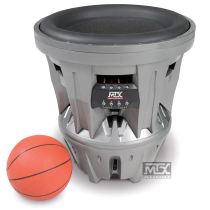
MTX Audio Jackhammer Superwoofer
Advertised as the “biggest, baddest, boldest superwoofer,” this 369-pound speaker features a 22-inch diameter, an extruded heatsink, and a power capacity of 12,000 watts.
See Also
Health
Research, public health findings, sound measurement, and the effects of noise on sleep, stress, hearing, cardiovascular health, and learning.
Boom Car Advertisements
A collection of advertisements that promote booming as a form of antisocial expression. The ads document the use of aggressive messaging and sexist imagery to market car-audio products, often treating neighborhood disruption as a selling point.
Copyright © 2004-2026 NoiseOFF. All rights reserved. Read our Privacy Policy.